The River: March 1913
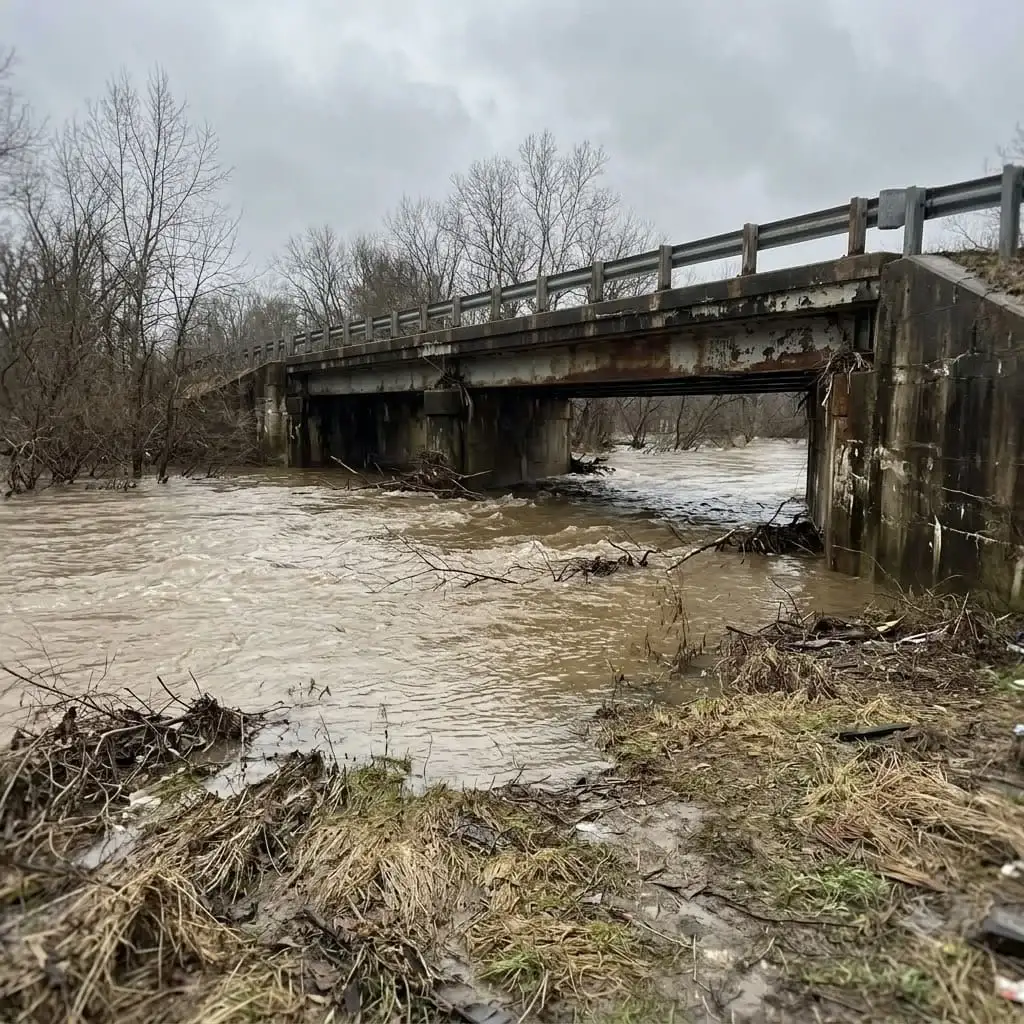
In March 1913, the Mahoning River overflowed and wrecked much of downtown Warren. Floodwaters covered most of downtown, cut the city off from the outside world, and knocked out power. The Flats, the area on the city's southwest side, was especially hard hit, and the water broke windows and doors on almost all the homes it didn't wash away.
That flood is the reference point for river flooding in Warren, and it explains why the river comes up when people talk about wet basements. A home close to the river, or in a low area, can face high groundwater on top of the usual soil problems. For most of the city, though, the daily risk is a different kind of water.
Groundwater: The Common Cause
Most Warren basement water is groundwater, meaning water in the saturated soil around the foundation. Northeast Ohio's soils formed in glacial till, and the USDA describes the Ellsworth series, a widespread till soil in northeastern Ohio, as having a subsoil that is 35 to 45 percent clay, with a perched water table 11 to 24 inches below the surface from November to May in most years. Around Warren, about 41 inches of precipitation and about 28 inches of snowfall a year keep that ground wet through much of the cold season.
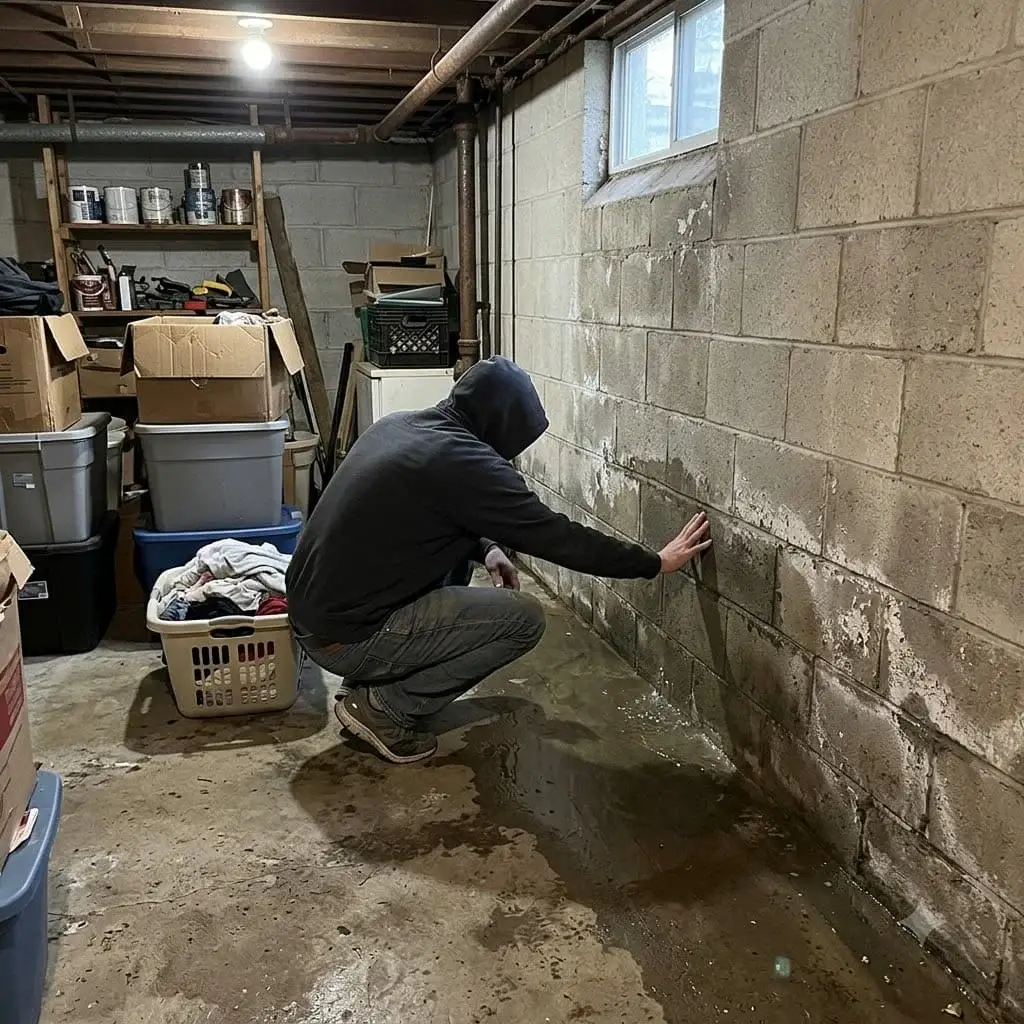
Saturated clay pushes against a foundation, and the pressure forces water through cracks, mortar joints, and the floor-wall seam. About 63% of Warren's occupied homes were built before 1960, and older walls give that water an easy path. Our guide to why basements leak after rain covers the pattern.
Surface Water
Rain that runs toward the house instead of away from it is the third common source. Overflowing gutters, downspouts that empty beside the wall, and soil that slopes toward the foundation put water against the basement quickly in a storm. It often enters through window wells, at the base of doors, or along the wall nearest the downspout. Moving the discharge several feet away and regrading the soil helps a lot, and it costs far less than most other fixes.
How to Tell Which Source You Have
The pattern of the water points to its source.
- Water at the floor-wall seam or through the walls after rain or snowmelt. This is groundwater pressure, and it follows the weather. Interior drainage and a sump pump handle it.
- Water entering at a window well or the base of a door. This is surface runoff, and grading, downspouts, and well drains address it.
- Water rising through floor drains, often with a foul smell. This is a backup from the plumbing, a job for a licensed plumber and not for drainage under the slab.
- Water coming in as a river or creek rises outside. This is the flood case, and it's a flood-insurance matter.
What Protects a Warren Basement
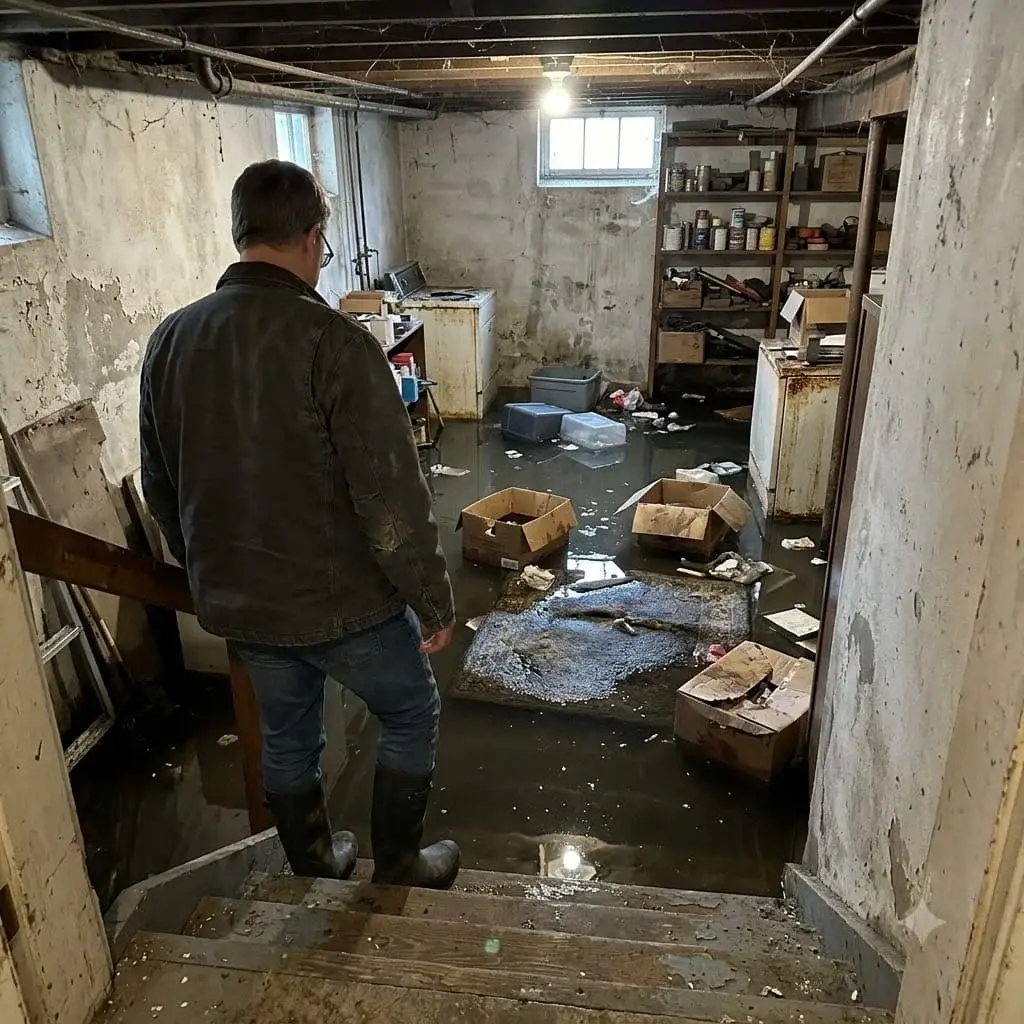
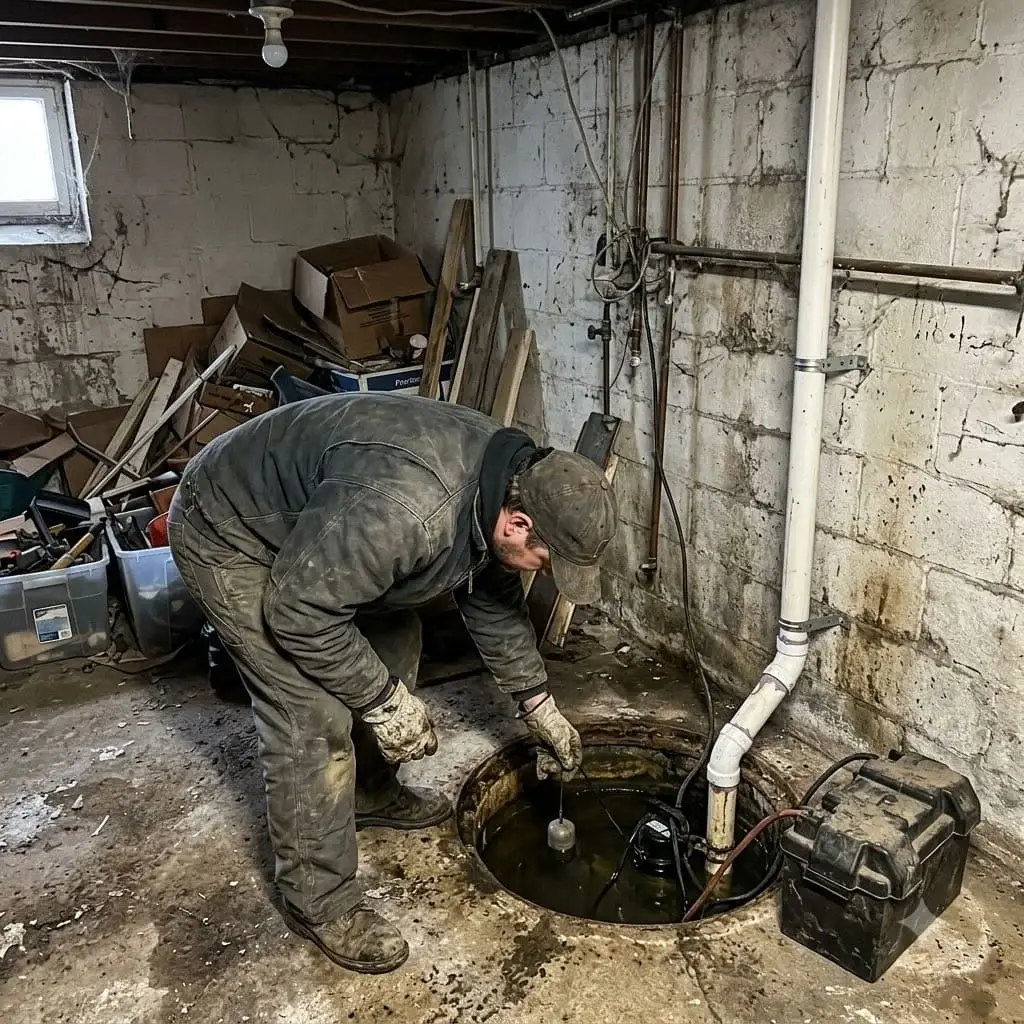
For groundwater, the core is an interior drainage system with a sump pump sized to the water. A battery backup pump is the key addition, because a storm heavy enough to flood a basement can also cut power, and a standard pump stops when the power does. Better grading and downspouts reduce the load. For a wall that leaks across its whole face or a failed footing drain, exterior waterproofing addresses the source. Plumbing backups need a plumber.
Flood Insurance Is Separate
Standard homeowners insurance usually doesn't cover flood damage. The federal flood insurance program's FloodSmart site states that most homeowners insurance does not cover flood damage, and flood coverage is a separate policy. Groundwater seepage and sewer backup fall under their own rules too. If your home is near the river, ask your insurance agent about your flood risk and about your policy before a storm.
Frequently Asked Questions
Has the Mahoning River flooded Warren before?
Yes. In March 1913 the Mahoning River overflowed and wrecked much of downtown Warren, covering most of downtown, cutting the city off, and knocking out power. The Flats on the southwest side was especially hard hit. That flood is the reference point for river flooding in the city.
Why does my Warren basement flood when it rains?
Mostly because the clay-rich ground around the foundation fills with water and pushes it through cracks, mortar joints, and the floor-wall seam. The water table here sits high from November to May in most years, and the Warren area gets about 41 inches of precipitation and about 28 inches of snowfall a year. Older block and stone walls and failed drain tile give the water an easy way in.
Do I need flood insurance if my basement gets wet?
You may need flood insurance if your home is near the river or in a low area and the risk is rising water from outside. Most homeowners insurance does not cover flood damage, and flood insurance is a separate policy. Water from saturated soil, a burst pipe, or a plumbing backup falls under different rules. Your insurance agent can tell you which applies to your address.
What protects a Warren basement from flooding?
An interior drainage system with a sump pump handles the groundwater behind most flooding, and a battery backup pump keeps it running through a storm outage. Moving downspouts away from the house and regrading the soil reduce the load. Walls that leak across their whole face may need exterior waterproofing, and a plumbing backup needs a plumber.
How do I know if my basement water is groundwater or a backup?
Groundwater seeps through the walls or rises at the floor-wall seam after rain, and it follows the weather. A backup comes up through floor drains or toilets, often with a foul smell, and the water is contaminated. If you're not sure, an inspection can find where the water enters, and a backup should go to a licensed plumber.